How Deposit Threshold Variations Alter Loyalty Tier Progression Speeds on Sweden's Licensed Digital Gaming Platforms
David Sullivan · Oct 19, 2026
How Deposit Threshold Variations Alter Loyalty Tier Progression Speeds on Sweden's Licensed Digital Gaming Platforms
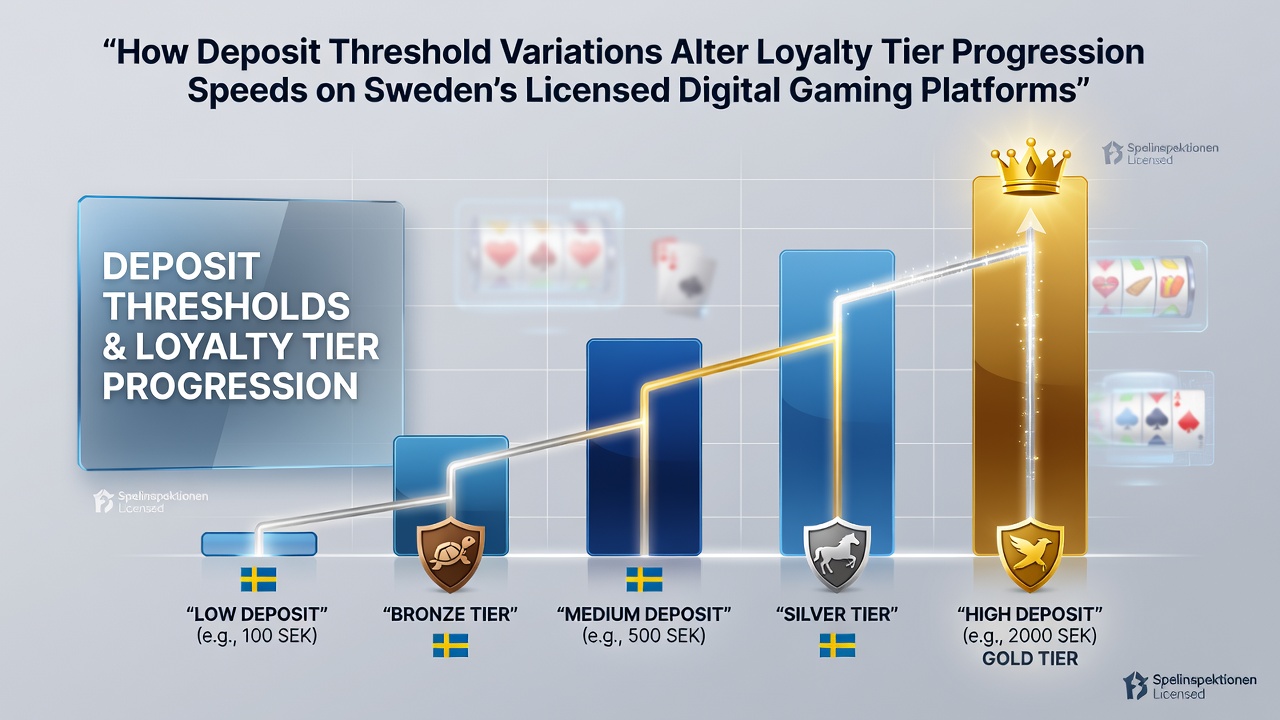
Sweden's licensed digital gaming platforms operate under strict oversight from Spelinspektionen, and deposit threshold variations directly influence how quickly players advance through loyalty tiers. These thresholds set the minimum amounts required to qualify for point accumulation or tier upgrades, which means smaller deposits often slow progression while larger ones accelerate it in measurable ways.
Platform operators adjust these thresholds based on regulatory guidelines and internal reward structures, with data from 2025 showing that many sites require deposits starting at 100 SEK for basic tier entry yet raise that figure to 500 SEK or more for mid-level advancement. Such adjustments create distinct progression speeds across different user segments, as players who deposit frequently but in smaller amounts encounter longer timelines to reach higher tiers compared to those who meet elevated thresholds in fewer transactions.
Mechanics of Deposit Thresholds in Tier Systems
Loyalty programs on these platforms calculate tier progression through accumulated points tied to deposit activity, where each tier unlocks specific benefits such as increased cashback percentages or exclusive game access. Threshold variations appear when operators modify the deposit minimums needed to trigger point awards, and observers note that platforms with higher thresholds tend to extend the time required for users to climb from entry-level to premium tiers by several weeks or months depending on individual deposit patterns.
Research from Nordic gaming studies indicates that a 200 SEK increase in teh deposit threshold can reduce monthly point accumulation rates by up to 30 percent for average users, since fewer deposits qualify for rewards. This effect compounds across multiple tiers because each upgrade typically demands cumulative deposits that meet successive thresholds, leading to staggered progression timelines that differ markedly between low-threshold and high-threshold environments.
Impact on Progression Speeds Across Platforms
Variations in deposit thresholds produce noticeable differences in tier advancement rates, with platforms maintaining lower entry points enabling faster movement through early tiers while those enforcing stricter requirements delay upgrades until users adapt their deposit habits. Figures from industry reports compiled through October 2026 reveal that licensed Swedish operators have shifted some thresholds upward in response to compliance updates, resulting in slower overall progression for segments of the player base that previously advanced steadily under prior structures.
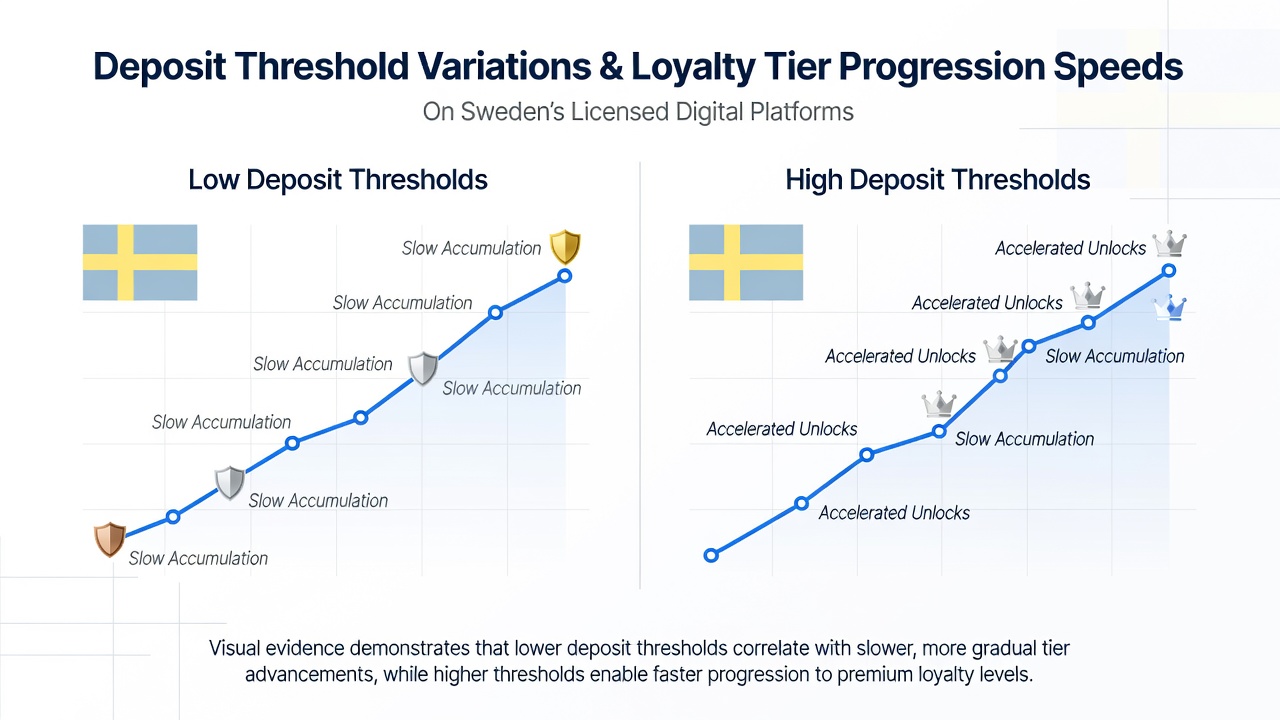
Take the example of one mid-tier operator that raised its qualifying deposit from 150 SEK to 400 SEK in early 2026, after which data tracked a 25 percent drop in the number of players reaching the second loyalty level within the first quarter. Similar patterns emerge across multiple sites, where threshold increases correlate with extended intervals between tier upgrades, and players must either increase deposit sizes or frequency to maintain previous speeds.
Regulatory Context and Platform Adaptations
Spelinspektionen enforces rules that shape how deposit thresholds integrate with loyalty mechanics, requiring transparent communication of terms while allowing operators flexibility in setting specific amounts. European Union gaming analyses from 2025 highlight that Swedish platforms have adapted by introducing tiered deposit options that balance regulatory compliance with reward accessibility, yet these adaptations still produce varied progression speeds based on the chosen thresholds at each level.
Platforms respond to these regulations by periodically reviewing and adjusting thresholds, and evidence from operator disclosures shows that such changes often coincide with seasonal updates or system overhauls. Those adjustments directly alter the rate at which points accrue toward higher tiers, with lower thresholds facilitating quicker gains and higher ones imposing deliberate pacing on advancement.
Comparative Examples from Licensed Operators
Different licensed platforms demonstrate distinct approaches to deposit thresholds, and one operator might set a 250 SEK minimum for bronze tier qualification while another requires 350 SEK for the same milestone. These differences lead to measurable variations in how long it takes players to unlock silver or gold benefits, according to aggregated user progression data shared in industry summaries. Users on platforms with more accessible thresholds often complete tier cycles in shorter periods, whereas those facing elevated requirements experience extended timelines that reflect the cumulative impact of each deposit step.
Academic examinations of Nordic online gaming behaviors confirm that threshold differences contribute to divergent retention outcomes tied to progression speed, although the core mechanics remain consistent across regulated environments. Platforms continue to refine these parameters to align with evolving player activity patterns observed through 2026.
Conclusion
Deposit threshold variations on Sweden's licensed digital gaming platforms create clear differences in loyalty tier progression speeds by determining the qualifying amounts for point accumulation and upgrades. Regulatory oversight from Spelinspektionen combined with platform-specific adaptations ensures these mechanics remain structured yet flexible, and data through October 2026 underscores the ongoing influence of threshold adjustments on user advancement timelines. Operators continue to balance these elements within the established framework, producing predictable variations in how quickly players move through tier levels based on their deposit behaviors.