How Stake Minimum Variations Influence Reward Claim Sequences on Regulated Nordic Gaming Sites
Jordan Becker · Nov 16, 2026

How Stake Minimum Variations Influence Reward Claim Sequences on Regulated Nordic Gaming Sites
Stake minimum variations set the baseline bet amounts that players must meet before accessing specific reward sequences on regulated Nordic gaming sites, and these thresholds create distinct patterns in how claims unfold across different platforms. Data from licensing bodies shows that operators in Sweden, Denmark, Norway, and Finland adjust these minimums based on game categories, which in turn dictates the order and timing of reward activations. Observers note that lower thresholds often allow earlier entry into claim sequences while higher ones delay or reorder the process entirely.
Regulatory Frameworks Shaping Stake Requirements
Swedish authorities enforce stake minimums through Spelinspektionen guidelines that tie bet levels directly to reward eligibility periods, whereas Danish regulators apply similar rules with added emphasis on game-type differentiation. Research indicates that these frameworks produce measurable differences in claim sequences because a minimum stake of 1 SEK on slots versus 5 SEK on table games alters the progression path users follow. Platforms must publish these variations clearly, and compliance reports reveal consistent application across licensed operators since the last major updates.
Cross-Border Comparisons in Nordic Markets
Norwegian operators under the Lotteri- og stiftelsestilsynet maintain higher average stake floors for reward claims compared to their Finnish counterparts, where minimums can drop during promotional windows but still adhere to fixed sequences. Evidence suggests this leads to staggered claim patterns where players on Norwegian sites encounter longer waits before unlocking subsequent rewards, while Finnish users experience more linear progressions. Figures from joint Nordic gaming reports highlight that these differences stem from national licensing conditions rather than operator discretion alone.
Mechanics of Reward Claim Sequences
Reward claim sequences operate as ordered steps where each completed stake requirement unlocks the next tier or payout option, and variations in minimum bets directly modify the number of eligible steps available at any given time. When a platform raises the stake floor from 0.50 to 2.00 units, entire early-sequence rewards become inaccessible until players adjust their betting behavior accordingly. Analysts have documented that this adjustment frequently compresses the overall sequence length because fewer low-stake options remain viable.
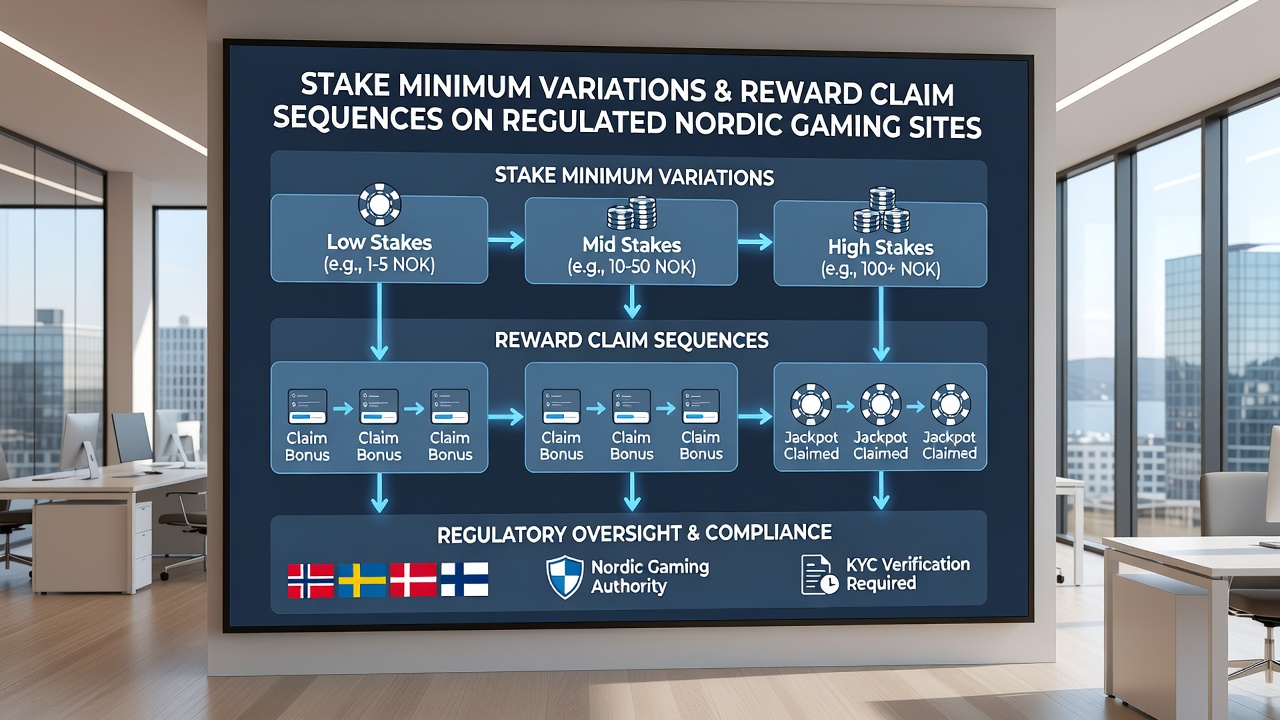
Platform data collected in 2025 demonstrates that sequences involving progressive rewards shift their activation order when stake minimums fluctuate, often pushing mid-tier claims ahead of initial ones. This reordering occurs because players must meet elevated thresholds to satisfy later conditions first, thereby bypassing earlier steps that no longer qualify under the new rules.
Observed Effects on Claim Timing and Order
Studies conducted by European gaming research consortia show that stake minimum increases correlate with delayed claim submissions during peak hours, while reductions accelerate sequence completion rates. In practice, a 50 percent hike in minimum stake extends the average time between first and final claims by several days on multiple Nordic sites. Operators track these metrics through internal logs that feed into regulatory submissions, revealing consistent behavioral adjustments among users facing varied thresholds.
Game Category Influences on Sequence Flow
Slots and instant-win games typically carry lower stake minimums that permit rapid cycling through early reward claims, whereas sports betting and live dealer options impose higher bars that extend the interval before users reach equivalent stages. This category-based variation produces parallel sequence tracks where players switch between game types to optimize their claim order. Records from multiple platforms indicate that such switching behavior intensifies when minimum differences exceed 3:1 ratios across categories.
Data Patterns from Licensed Operations
According to aggregated statistics released by Nordic regulatory associations, platforms with flexible stake minimum policies record higher volumes of mid-sequence claims compared to those enforcing rigid floors. The data covers activity through late 2025 and projects continued trends into November 2026 when certain cross-border reporting standards take effect. These patterns emerge because lower minimums sustain engagement across more sequence steps, while elevated ones concentrate activity around fewer qualifying actions.
One analysis of Danish and Swedish operator filings found that reward sequences containing five or more stages experience the most pronounced reordering when stake minimums vary by game volatility level. Players encounter these shifts most frequently on sites that segment their libraries by risk category, creating distinct claim pathways that users navigate based on available stake options.
Conclusion
Stake minimum variations establish the structural boundaries that determine reward claim sequence progression on regulated Nordic gaming sites, with national frameworks and game categories producing observable differences in timing and order. Available data confirms that these thresholds shape user navigation through reward systems without altering the underlying regulatory requirements. Continued monitoring by licensing bodies will track how adjustments in November 2026 and beyond affect these established patterns across the region.