Navigating Seasonal Event Tie-Ins and Their Role in Shaping Reward Distributions Across Sweden's Regulated Online Gaming Platforms
David Sullivan · Sep 7, 2026
Navigating Seasonal Event Tie-Ins and Their Role in Shaping Reward Distributions Across Sweden's Regulated Online Gaming Platforms
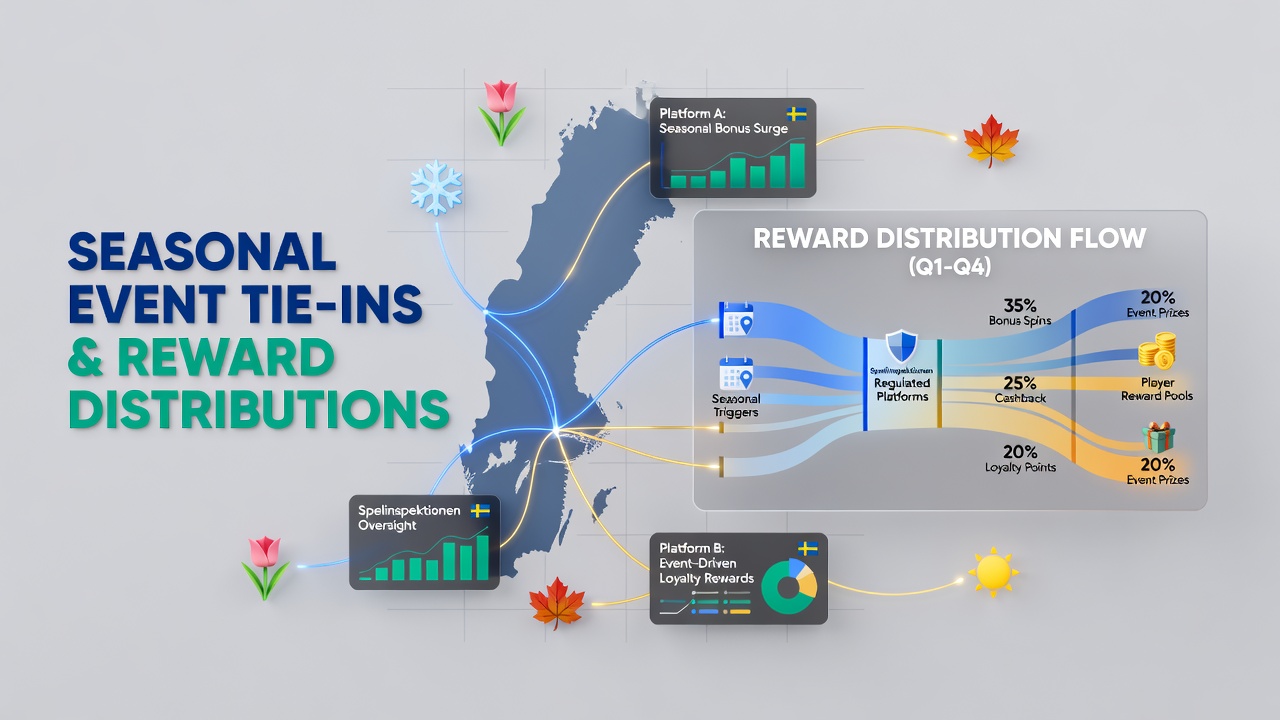
Seasonal event tie-ins have become a defining feature of reward systems on Sweden's licensed online gaming platforms, where operators align promotions with holidays, sports seasons, and cultural milestones to adjust how bonuses and loyalty incentives reach players. These alignments operate under the oversight of Spelinspektionen, which requires all reward mechanics to comply with strict transparency rules that govern distribution timing and eligibility.
Seasonal Patterns in Swedish Licensed Markets
Operators track calendar events such as midsummer celebrations, winter holidays, and major football tournaments because data from platform analytics shows these periods drive measurable shifts in player activity and reward allocation. During these windows platforms often introduce themed challenges that convert participation into tiered point multipliers, which then determine access to cashback pools or free spin packages distributed at the end of each event cycle.
Research from the Swedish Gambling Authority indicates that reward volumes increase notably when events coincide with extended weekends or national fixtures, prompting platforms to recalibrate daily login bonuses and deposit match structures to maintain balance across user segments. The mechanism ensures that high-volume players and occasional participants receive differentiated reward streams without violating the channelisation goals embedded in Swedish legislation.
Mechanics of Event-Driven Reward Adjustments
Platforms integrate seasonal tie-ins by linking specific in-game objectives to external calendars, so that completing a holiday-themed quest unlocks additional loyalty levels that carry forward into subsequent months. This approach creates layered distribution paths where early event completers accumulate advantages that later participants can only match through higher deposit activity or extended playtime commitments.
Figures from licensed operators reveal that autumn campaigns, which often begin in September, frequently incorporate back-to-school or harvest motifs that translate into progressive reward ladders, allowing points earned in one week to unlock larger prize tiers by month end. Observers note that such structures encourage sustained engagement while remaining fully auditable under current licensing conditions.
Impact on Distribution Equity Across User Groups
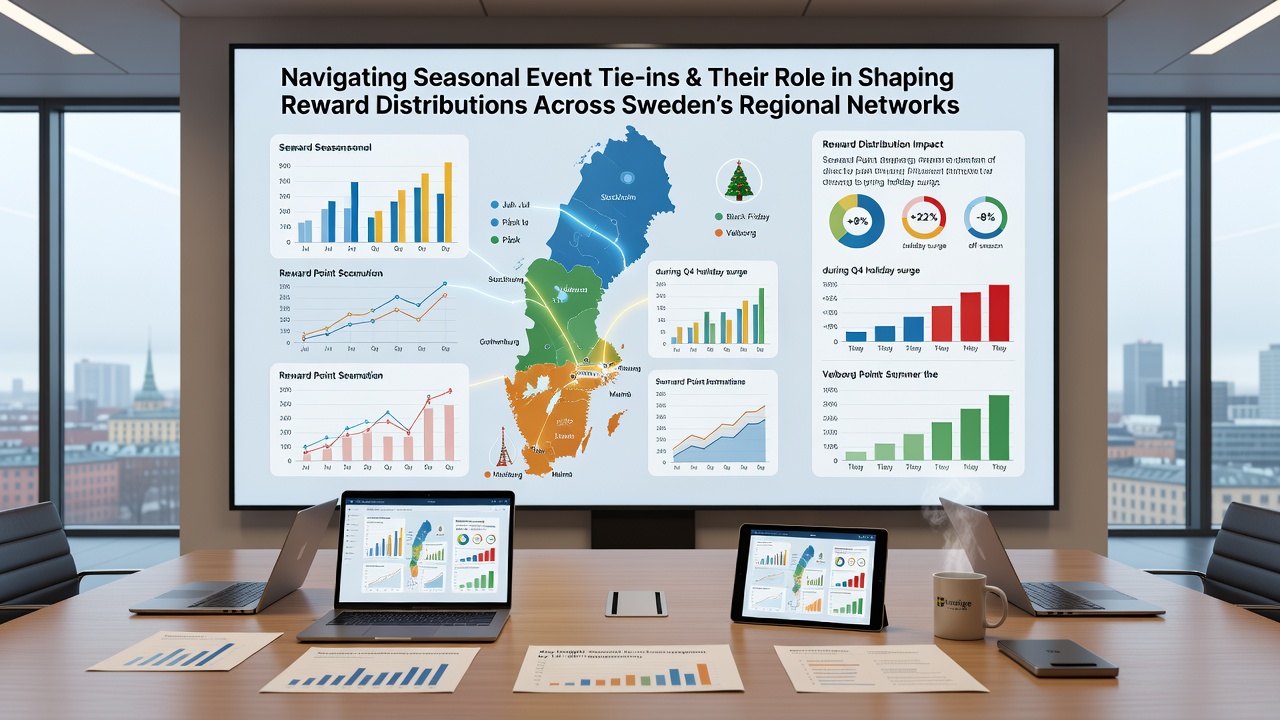
Seasonal events influence how rewards spread among different player demographics because operators must segment offers according to verified age and spending patterns to satisfy regulatory audits. Younger adults who engage heavily with mobile slots during summer festivals may receive accelerated point accrual compared with users who prefer table games during winter sports windows, yet both groups operate within the same overarching point-to-reward conversion tables.
Industry reports compiled by Nordic research institutions show that September 2026 campaigns are expected to emphasise climate-related themes tied to harvest periods, which could further diversify reward streams by introducing sustainability-linked challenges that convert into standard bonus credits. These adjustments aim to keep distribution patterns aligned with player behaviour data collected throughout the preceding year.
Regulatory Oversight and Platform Compliance
Every seasonal promotion undergoes pre-approval review to confirm that reward multipliers do not exceed limits set by licensing conditions, and that all distribution timelines remain clearly communicated in platform terms. This process prevents overlap between event rewards and standard loyalty pathways while ensuring that no single user cohort captures disproportionate shares of available prize pools.
Those who monitor the sector point out that platforms maintain separate tracking systems for event-specific rewards, which allows Spelinspektionen to verify that seasonal spikes do not distort overall market channelisation statistics. The result is a framework where creativity in event design coexists with measurable controls on how rewards flow to participants.
Conclusion
Seasonal event tie-ins continue to shape reward distributions on Sweden's regulated platforms by providing structured opportunities for point accumulation and tier advancement that align with predictable calendar cycles. Data collected through licensed operations demonstrates that these mechanisms maintain compliance while responding to documented shifts in player activity across different months and events. As September 2026 approaches, operators are preparing new campaign frameworks that will test how effectively current distribution models adapt to evolving seasonal themes without altering the foundational regulatory parameters established by Swedish authorities.