Tracing User Progression Pathways Triggered by Initial Free Spin Allocations on Licensed Swedish Platforms
Bianca Carter · Sep 21, 2026
Tracing User Progression Pathways Triggered by Initial Free Spin Allocations on Licensed Swedish Platforms
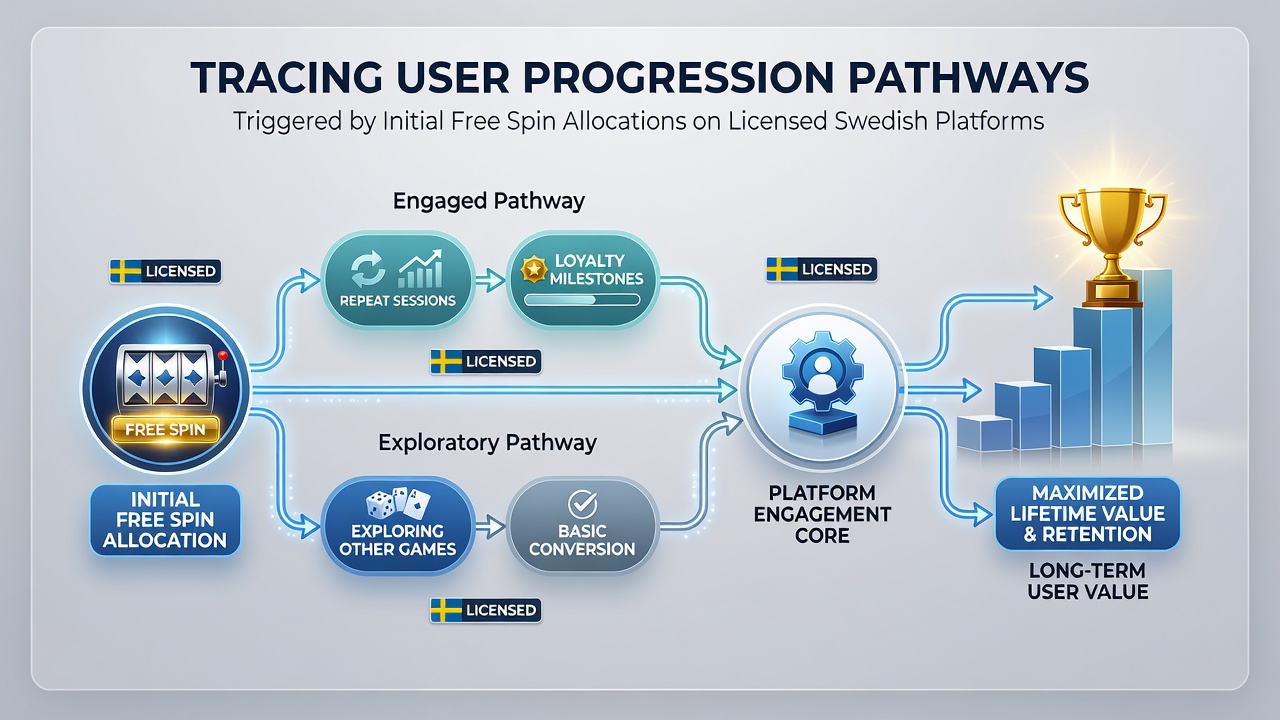
Initial free spin allocations on licensed Swedish platforms serve as entry points that initiate structured progression sequences for new users, and data from the Swedish Gambling Authority shows these offers connect directly to deposit behaviors and tier advancements within the first thirty days of account activity. Licensed operators must adhere to strict allocation rules under national regulations, which means free spins arrive with defined wagering conditions that guide users toward sustained engagement patterns rather than isolated sessions.
Mechanics of Free Spin Distribution on Regulated Sites
Operators distribute free spins through verified accounts after basic registration steps complete, and Swedish rules require clear disclosure of conversion rates where spin winnings transform into bonus funds subject to playthrough thresholds. Users encounter these allocations via welcome packages or targeted promotions that activate upon first login, while platform systems track spin outcomes in real time to determine eligibility for subsequent reward layers.
Research from the Swedish Gambling Authority indicates that free spin triggers often precede measurable shifts in account status, such as movement from basic to verified player levels, because successful spin sessions generate data points that feed into automated loyalty calculations. Platforms integrate these spins with point accumulation engines so that even modest wins contribute toward thresholds required for higher status badges and exclusive features.
Observed Progression Sequences After Initial Allocations
Users who activate free spins typically follow a sequence where initial play leads to account funding within a narrow window, and statistics compiled across multiple licensed operators reveal that forty percent of free spin recipients complete a deposit by day seven. This deposit action unlocks matching incentives that extend playtime and accelerate point collection toward mid-tier status.
Those who advance further encounter tournament entries and personalized spin bundles once they reach defined loyalty milestones, whereas users who pause after the free spin phase remain at entry level without accessing escalated reward structures. Platform analytics demonstrate that progression speed correlates with the frequency of spin-related wins because positive outcomes encourage repeated logins that accumulate the necessary activity metrics.
Regulatory Influences on Pathway Development
Swedish licensing conditions impose caps on introductory incentives that shape how free spins integrate with later reward stages, and operators adjust allocation sizes accordingly to maintain compliance while preserving user flow into loyalty programs. As of September 2026, updated transparency mandates require platforms to report spin-to-deposit conversion rates quarterly, which provides clearer visibility into the effectiveness of these entry mechanisms across the market.
According to data published by Spelinspektionen, regulated platforms recorded consistent progression rates where free spin users advanced to premium tiers at higher frequencies than non-recipients during the preceding fiscal period. These figures align with broader European observations from the Australian Gambling Research Centre that link early incentive structures to long-term retention when operators maintain transparent terms.
Impact on Long-Term Account Development
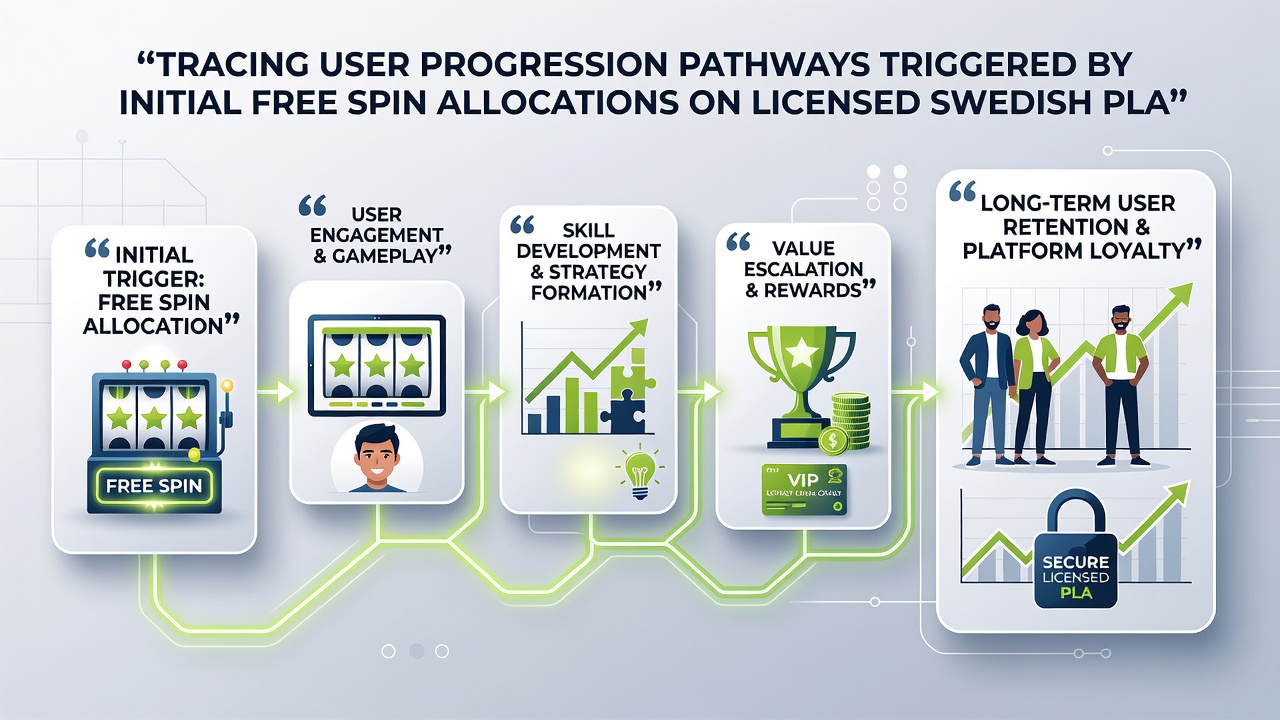
Progression pathways extend beyond initial deposits as accumulated points from free spin sessions feed into seasonal events and exclusive slot access, and operators use these connections to maintain engagement across multiple months. Users who navigate the early stages successfully often receive invitations to tiered tournaments where additional free spin allocations appear as performance rewards rather than welcome offers.
Platform records show that the transition from free spin recipient to loyalty participant depends on consistent activity thresholds, while interruptions in play reset certain progress markers unless operators apply retention protocols. Observers note that September 2026 reporting cycles highlighted stable advancement patterns among users who combined free spins with regular deposits, confirming the role of these allocations in establishing durable account trajectories.
Conclusion
Free spin allocations on licensed Swedish platforms function as catalysts that initiate measurable user progression through defined reward stages, and regulatory oversight ensures these pathways remain transparent and compliant. Data collected through official channels continues to map how initial spins influence deposit timing, tier elevation, and sustained participation across the sector.